Exploring the Intersection of Arts and Media
- Chandra Satya Bintara
- Sep 21, 2025
- 5 min read

In today's world, the lines between arts and media are increasingly blurred. We see this fusion in everything from film and photography to digital art and social media. This blog post will explore how these two fields intersect, how they influence each other, and why this relationship is vital for creativity and expression.
Art has always been a form of communication. It tells stories, evokes emotions, and reflects society. Media, on the other hand, serves as a platform for sharing these artistic expressions. Together, they create a rich tapestry of culture that shapes our understanding of the world.
As we dive deeper into this topic, we will look at specific examples of how arts and media come together. We will also discuss the impact of technology on this relationship and what it means for the future of creativity.
The Role of Art in Media
Art plays a crucial role in media. It enhances storytelling and adds depth to visual content. For instance, consider the use of illustrations in magazines or the stunning visuals in films. These artistic elements draw viewers in and create a more immersive experience.
Examples of Art in Media
Film: Directors often collaborate with artists to create unique visual styles. For example, the animated film "Spider-Man: Into the Spider-Verse" used a comic book art style that set it apart from traditional animation.
Photography: Photographers use artistic techniques to convey emotions. A well-composed photograph can tell a story without any words. Think of iconic images like the "Afghan Girl" by Steve McCurry, which captures a powerful narrative through a single frame.
Graphic Design: In advertising, graphic design is essential. Brands use art to create memorable logos and advertisements. The Coca-Cola logo is a prime example of how art can become synonymous with a brand.
These examples show how art enriches media, making it more engaging and impactful.
The Influence of Media on Art
Just as art influences media, media also shapes the way we perceive and create art. With the rise of social media, artists have new platforms to showcase their work. This has led to a democratization of art, where anyone can share their creations with a global audience.
Social Media and Art
Platforms like Instagram and TikTok have transformed how artists connect with their audience. Artists can share their process, receive instant feedback, and even sell their work directly. This interaction fosters a sense of community and collaboration.
Instagram: Many artists use Instagram to showcase their portfolios. The visual nature of the platform allows for stunning presentations of artwork.
TikTok: This platform has given rise to art challenges and trends, encouraging creativity and experimentation. Artists can share time-lapse videos of their work, making the creative process accessible to everyone.
These platforms have changed the landscape of art, allowing for greater visibility and engagement.
Technology: A Catalyst for Change
Technology has played a significant role in the intersection of arts and media. From digital art tools to virtual reality experiences, technology has expanded the possibilities for artists and media creators alike.
Digital Art Tools
Software like Adobe Photoshop and Procreate has revolutionized how artists create. Digital art allows for experimentation without the constraints of traditional mediums. Artists can easily edit, undo, and explore new styles.
Virtual Reality and Augmented Reality
Virtual reality (VR) and augmented reality (AR) are pushing the boundaries of how we experience art. Museums are using VR to create immersive experiences, allowing visitors to step into famous paintings or explore historical sites.
VR Art Exhibitions: Some galleries now offer virtual tours, enabling people from around the world to experience art without leaving their homes.
AR in Public Spaces: Artists are using AR to create interactive installations in public spaces. Viewers can use their smartphones to see additional layers of art overlaid on real-world environments.
These technological advancements are reshaping the relationship between arts and media, creating new opportunities for expression.
The Future of Arts and Media
As we look to the future, the intersection of arts and media will continue to evolve. With advancements in technology and changing cultural landscapes, we can expect to see even more innovative collaborations.
Emerging Trends
AI in Art: Artificial intelligence is beginning to play a role in art creation. Tools like DALL-E and Midjourney allow users to generate images based on text prompts, opening up new avenues for creativity.
Interactive Storytelling: Media is moving towards more interactive formats. Video games and immersive experiences allow audiences to engage with stories in ways that traditional media cannot.
Sustainability in Art: As awareness of environmental issues grows, artists are finding ways to create sustainable art. This includes using recycled materials or creating art that raises awareness about climate change.
These trends indicate a dynamic future where arts and media will continue to inspire and challenge each other.
The Importance of Collaboration
Collaboration between artists and media creators is essential for innovation. When different perspectives come together, the result is often something extraordinary.
Successful Collaborations
Music Videos: The collaboration between musicians and visual artists has led to iconic music videos. For example, the video for "Thriller" by Michael Jackson is a masterpiece of choreography and visual storytelling.
Art Installations: Many contemporary artists collaborate with filmmakers to create immersive installations. These projects often blend visual art with narrative elements, creating a unique experience for viewers.
Fashion and Film: The fashion industry frequently collaborates with filmmakers to create visually stunning advertisements. Brands like Gucci and Prada have produced short films that showcase their collections in artistic ways.
These collaborations highlight the power of combining different forms of creativity.
Engaging with Arts and Media
For those interested in exploring the intersection of arts and media, there are many ways to engage. Here are some practical tips:
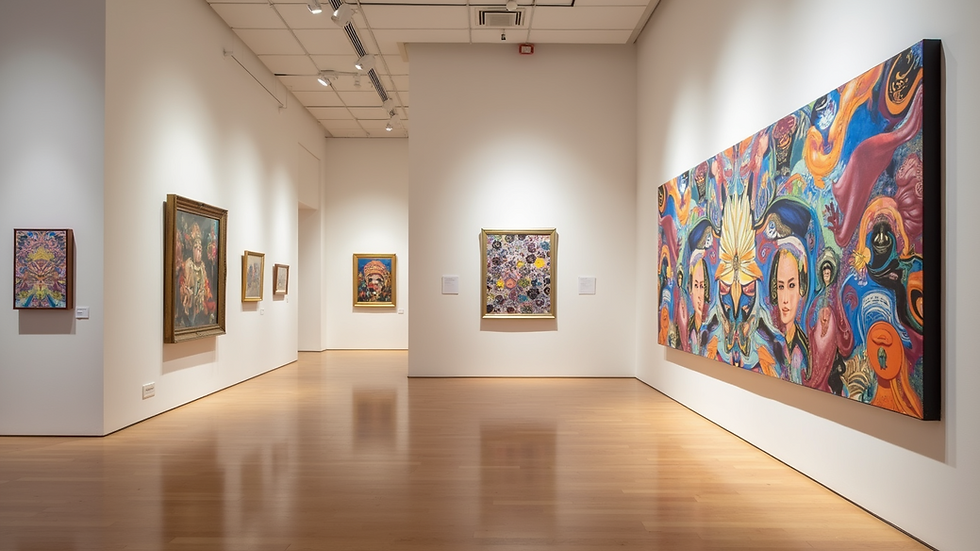
Attend Art Exhibitions: Visit local galleries or museums to see how artists are using media in their work. Many institutions now offer virtual tours as well.
Follow Artists on Social Media: Discover new artists and their work by following them on platforms like Instagram or TikTok. Engage with their content by liking, sharing, or commenting.
Experiment with Digital Tools: Try your hand at digital art using software or apps. Many resources are available online to help you get started.
Participate in Workshops: Look for workshops or classes that focus on the intersection of arts and media. These can provide valuable skills and insights.
By actively engaging with arts and media, you can deepen your understanding and appreciation of this dynamic relationship.
A World of Creativity Awaits
The intersection of arts and media is a vibrant and ever-evolving space. As we have explored, this relationship enriches our cultural landscape and opens up new avenues for expression.
Whether you are an artist, a media creator, or simply an enthusiast, there is much to discover. Embrace the creativity that surrounds you, and let it inspire your own journey. The future of arts and media is bright, and it invites us all to participate in its unfolding story.


Comments